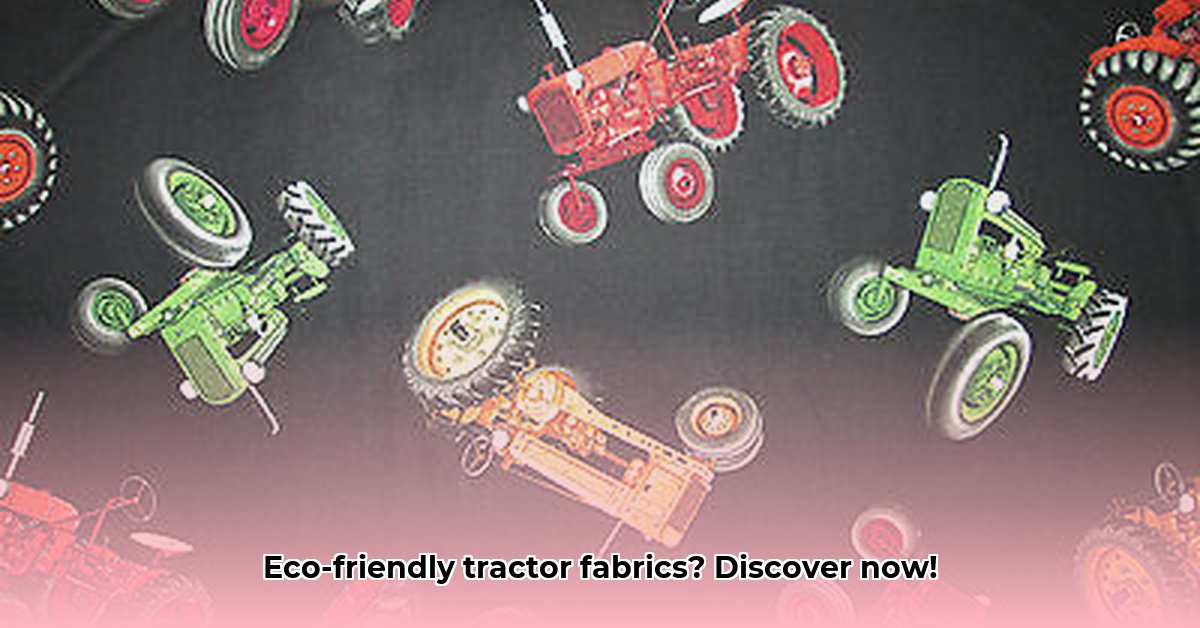
Fabric with Tractors: Eco-Friendly Solutions for a Sustainable Future
Farming is evolving, with a growing emphasis on environmentally conscious practices. This extends to every aspect of agricultural operations, including the materials used in farm equipment. Traditional tractor fabrics, often petroleum-based synthetics, contribute significantly to environmental pollution throughout their lifecycle – from production to disposal. But the good news is, sustainable alternatives are emerging, offering a path toward more responsible farming. How can farmers navigate this shift? Let's explore the landscape of eco-friendly tractor fabrics.
The Growing Need for Sustainable Tractor Fabrics
Tractor fabrics face extreme conditions – intense sunlight, heavy rainfall, abrasive dust, and more. Traditional fabrics often degrade quickly under such duress, requiring frequent replacements. This constant cycle of production, use, and disposal contributes significantly to landfill waste and pollution. Isn't it time we asked: Can we maintain durability without sacrificing environmental responsibility? The answer lies in exploring sustainable alternatives that combine robustness with ecological consciousness.
Exploring Sustainable Materials for Tractor Fabrics
Fortunately, innovative materials are transforming the agricultural landscape. Recycled polyester, derived from plastic bottles, offers a strong, water-resistant option, diverting plastic waste from landfills. Organic cotton, grown without harmful pesticides, provides a natural and biodegradable alternative. Hemp, a rapidly renewable resource, boasts exceptional strength and natural UV protection. Ultimately, the optimal choice depends on a farm's specific needs and priorities, weighing durability, cost, and environmental impact.
Key Considerations When Choosing Sustainable Tractor Fabrics
Selecting the right sustainable fabric requires careful consideration. The following factors are crucial for ensuring both performance and environmental responsibility:
- Durability: The fabric must withstand the rigors of daily farm work, resisting tears, abrasions, and prolonged exposure to harsh elements. Compromised durability leads to costly repairs and equipment downtime.
- Water Resistance: Farm equipment is constantly exposed to rain, mud, and spills. Water-resistant fabrics extend their lifespan and protect underlying components.
- UV Resistance: Prolonged sun exposure degrades many fabrics. UV-resistant materials are essential for maximizing longevity in sunny climates.
- Cost: While sustainable options often have a higher upfront cost, their increased durability can translate to long-term savings, often offset by potential government subsidies for eco-friendly practices.
- Certifications: Look for certifications from reputable organizations, such as the Global Organic Textile Standard (GOTS), to verify the fabric's environmental and ethical production.
A Step-by-Step Guide to Implementing Sustainable Fabrics
Transitioning to sustainable fabrics can be a straightforward process:
- Assessment: Evaluate current fabric needs and identify areas for improvement.
- Research: Investigate available sustainable options, comparing their properties and suitability for specific applications.
- Small-Scale Testing: Test new materials on a small section of equipment to assess their performance in real-world conditions.
- Sourcing: Identify reliable suppliers committed to ethical and sustainable production practices.
- Gradual Implementation: Start by replacing fabrics on less critical components to minimize disruption.
- Ongoing Monitoring: Continuously monitor the performance of the new materials, adjusting your approach as needed.
The Future of Tractor Fabrics
The field of sustainable tractor fabrics is rapidly advancing. Ongoing research and development are producing innovative, eco-friendly materials with enhanced performance characteristics. Collaboration between manufacturers, farmers, and policymakers will accelerate the adoption of sustainable practices.
Pros and Cons of Sustainable Tractor Fabrics
| Feature | Pros | Cons |
|---|---|---|
| Environmental Impact | Reduced carbon footprint, less landfill waste, sustainable resources | Higher initial cost, potentially limited availability of certain fabrics |
| Durability | Comparable or superior durability to traditional fabrics in many cases | Some materials may require specialized care or cleaning procedures |
| Cost | Long-term cost savings due to extended lifespan, potential subsidies | Higher upfront investment |
| Availability | Increasing availability and a broader range of options becoming available | Availability might still be an issue in certain regions |
How to Choose the Most Durable Sustainable Tractor Fabrics
Choosing durable and sustainable fabrics requires understanding the sustainability spectrum. Organic cotton, hemp, linen, Lyocell (Tencel™), and recycled polyester all offer varying degrees of durability and environmental impact. The best choice depends on the specific demands of the application and the farm's priorities. Consider the environmental impact of production methods and the importance of verifiable certifications, such as GOTS.
Dr. Anya Sharma, Professor of Sustainable Materials Science at the University of California, Berkeley, emphasizes the importance of lifecycle assessments, stating, “It’s crucial to look beyond the initial material. The entire production process and ultimate disposal method must be considered to truly assess a fabric's sustainability."
Careful consideration of these factors is essential for selecting fabrics that combine durability with environmental responsibility, contributing to a more sustainable agricultural future.